

The Ubuntu in the wild blog post ropes in the latest highlights about Ubuntu and Canonical around the world on a bi-weekly basis.

An app is an app is an app. But in the world of Linux, things are a little more nuanced. Take VLC as an example. The software may be packaged ever so slightly differently in various Linux distribution archives, even different releases of the same distribution – the av01 codec is an interesting use case

Are you struggling with too much lag? Is it time for a spring clean and a fresh Linux install? Ready to upgrade to Focal Fossa (LTS) or Hirsute Hippo? Whatever situation you are in, get started quickly with some of the most popular apps you need for a fresh Linux install. Here are all the

Industry global survey from Canonical: 85% of enterprises have yet to cross the chasm to full Kubernetes and Cloud Native adoption.Data from 1,200 respondents and insights from seven industry experts reveal rapid growth, some growing pains Read full report London, UK, June 29, 2021 – Despite high adoption rates of cloud native technologie
How to use managed IT services to cut down your costs, optimise your operations and accelerate your private/hybrid cloud like the Fortune 500.

The web team at Canonical run two-week iterations building and maintaining all of Canonical websites, product web interfaces and much more. Here are some of the highlights of our completed work from this iteration. Web The Web team develops and maintains most of Canonical’s sites like ubuntu.com, canonical.com, and more. Sliders We built

This week, the final week of Ceph Month, the Ceph Foundation announced the creation of the Ceph Market Development Working Group. Canonical is proud to be amongst the founding members of the group, alongside fellow community members RedHat and SoftIron. Open source enterprise storage The group’s primary objectives are to raise wider awar

We are incredibly proud to announce the beginning of the Impish Indri wallpaper competition! (That’s the code name for Ubuntu 21.10) You can submit your artwork and read the rules over on the Ubuntu discourse. Every new release of Ubuntu comes pre-loaded with new background images that users can select ‘out of the box’. For

Newsletter signup

In the world of IoT, it is crucial to be fully in control of your devices. Over-the-air (OTA) updates are essential for a distributed set of devices. This must be carefully managed to ensure that an update is not pushed at a time where the device is active and operation should not be interrupted. To
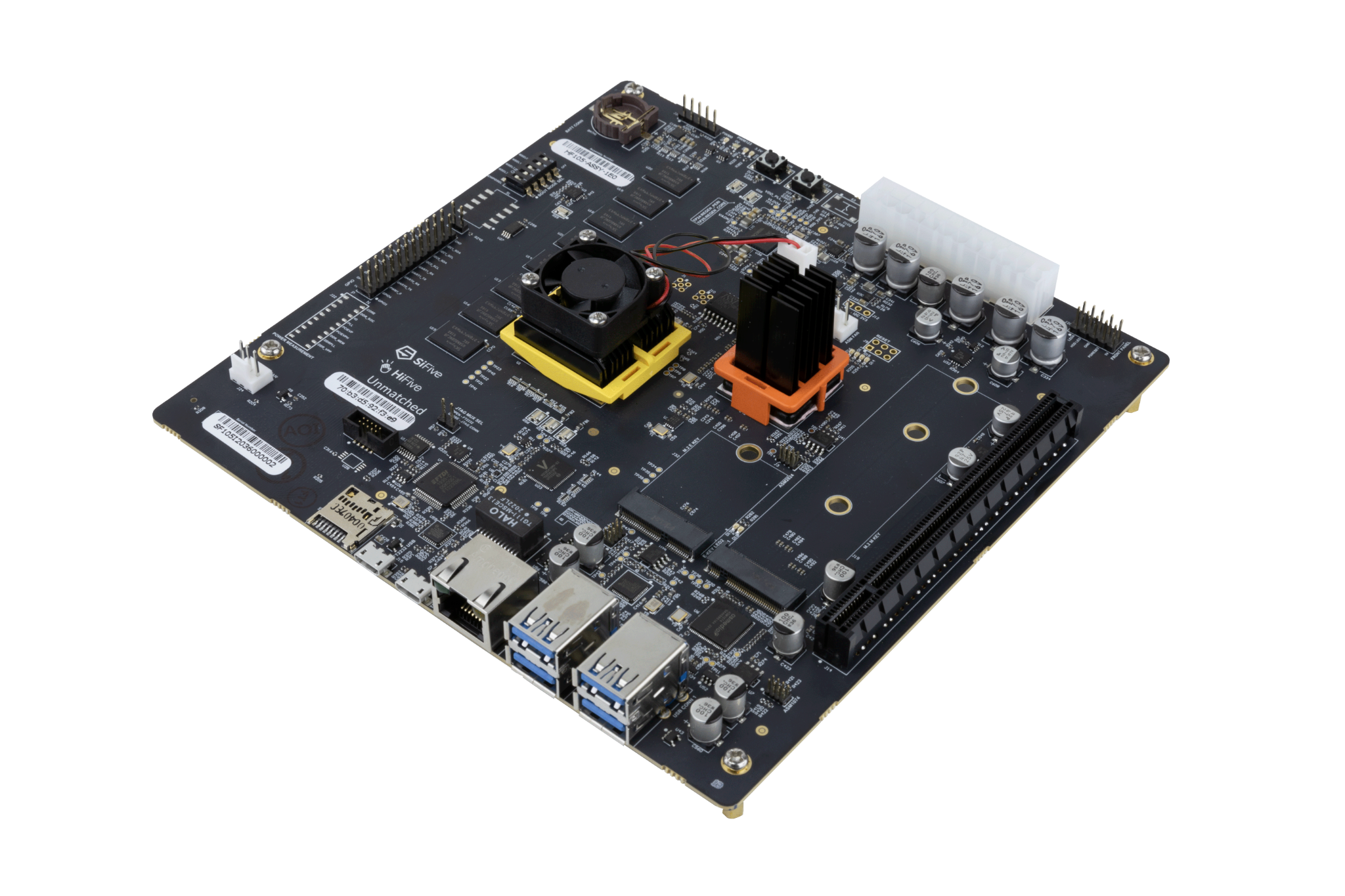
With Canonical announcing Ubuntu support for so much new hardware, the announcement of Ubuntu ported to a new architecture can go unnoticed. But today, we have a big one. Working with the leading RISC-V core IP designer and development board manufacturer, SiFive, we are proud to announce the first Ubuntu release for two of the

SMEs and studios can put the world’s most popular 3D creation software into production with Canonical enterprise-grade support.
The Ubuntu in the wild blog post ropes in the latest highlights about Ubuntu and Canonical around the world on a bi-weekly basis.

The life of an application can roughly be divided into two: everything that happens before it goes live – building, packaging, publication – and then, everything that happens after that milestone. Traditionally, on Linux, developers didn’t always have an easy way of deriving useful numbers on how their software was doing across the distro

Another cycle brings another release of Mir, with new features and new innovative use cases. For those of you new to Mir, our flexible display server provides a set of libraries and Wayland compositor for building Wayland-based shells with integrated window management. It is widely used in different IoT applications, including digital sig
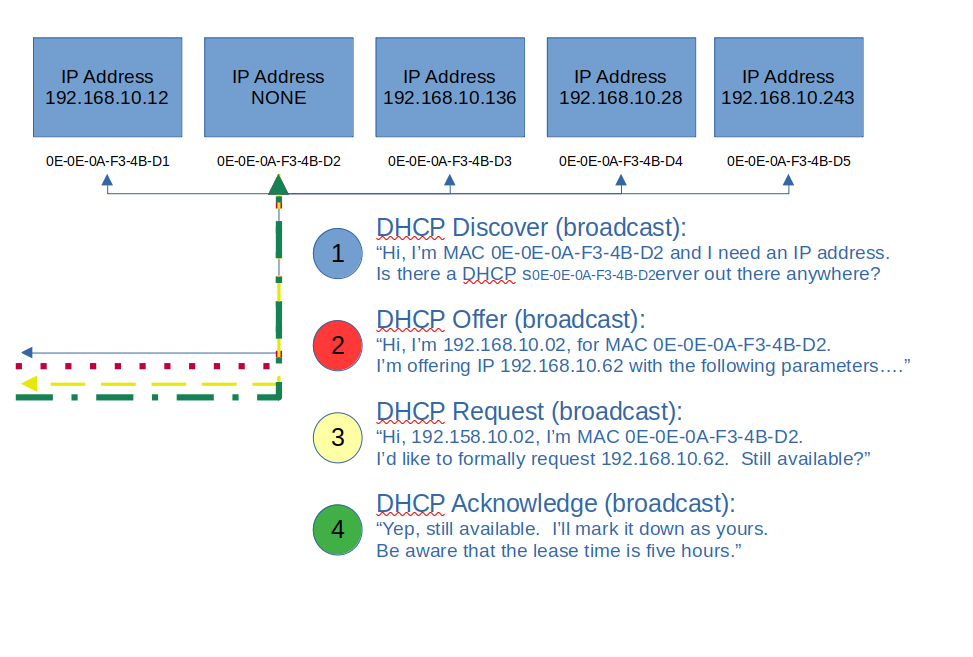
Let’s step back and take a very basic look at DHCP. In fact, let’s look at the analogy of assigning a street address to your house. Usually, this is done by the local 911 dispatch office, or some other central authority. They typically use either a survey map or a latitude, longitude pair to locate

What is 2-factor authentication (2FA)? Two factor authentication (2FA) increases your account security further than just using a username and password. In addition to a password (the first factor), you need another factor to access your account. A great example to demonstrate this is when you withdraw money from an ATM. To access your ban
Ubuntu tech blog
Deep dives for developers
Visit the Ubuntu Tech Blog for deep dives into product features, step-by-step tutorials, and the latest updates from Canonical's engineering teams.