

We (the Ubuntu Community team) are delighted to invite you to the UbuntuOnAir YouTube and Twitch channels! These particular airwaves will hold community-focused Indabas, office hours, highly requested community interviews and will deliver Ubuntu/Open Source related workshops, host special events, and, hopefully, yes, play games. You can g

The web team at Canonical run two-week iterations building and maintaining all of Canonical websites and product web interfaces. This iteration we took a week to go through the roadmap items and plan them across the next six months. Here are some of the highlights from the remaining week from this iteration. Meet the team

We are proud to announce that Ubuntu 21.04 includes support for the GPIO pins on the Raspberry Pi. This has been a long time coming. We know. With support for the camera modules and Bluetooth added last year GPIO was the obvious next step. But with our Raspberry Pi focused engineers working to make sure

Together with Oracle, Canonical announces an optimised Ubuntu image for the launch of Oracle Cloud Infrastructure (OCI) Ampere A1 Compute.

The Ubuntu in the wild blog post ropes in the latest highlights about Ubuntu and Canonical around the world on a bi-weekly basis.

May 27th will be Canonical’s first time as a DockerCon sponsor. That’s exciting! Since our joint announcement back in November, the relationship between Canonical and Docker has become stronger as more projects arise. There’s still a lot to be done in a cloud-native world to make Open Source available to everyone in its purest form.

In this post we’ll explore the concepts of data lake, data hub and data lab. There are many opinions and interpretations of these concepts, and they are broadly comparable. In fact, many might say they’re synonymous and we’re just splitting hairs. Let’s look again.

Ubuntu 21.04 is the latest release of Ubuntu and comes at the mid-point between the most recent Long Term Supported (LTS) release of Ubuntu 20.04 LTS and the forthcoming 22.04 LTS release due in April 2022. This provides a good opportunity to take stock of some of the latest security features delivered in this release,

Newsletter signup
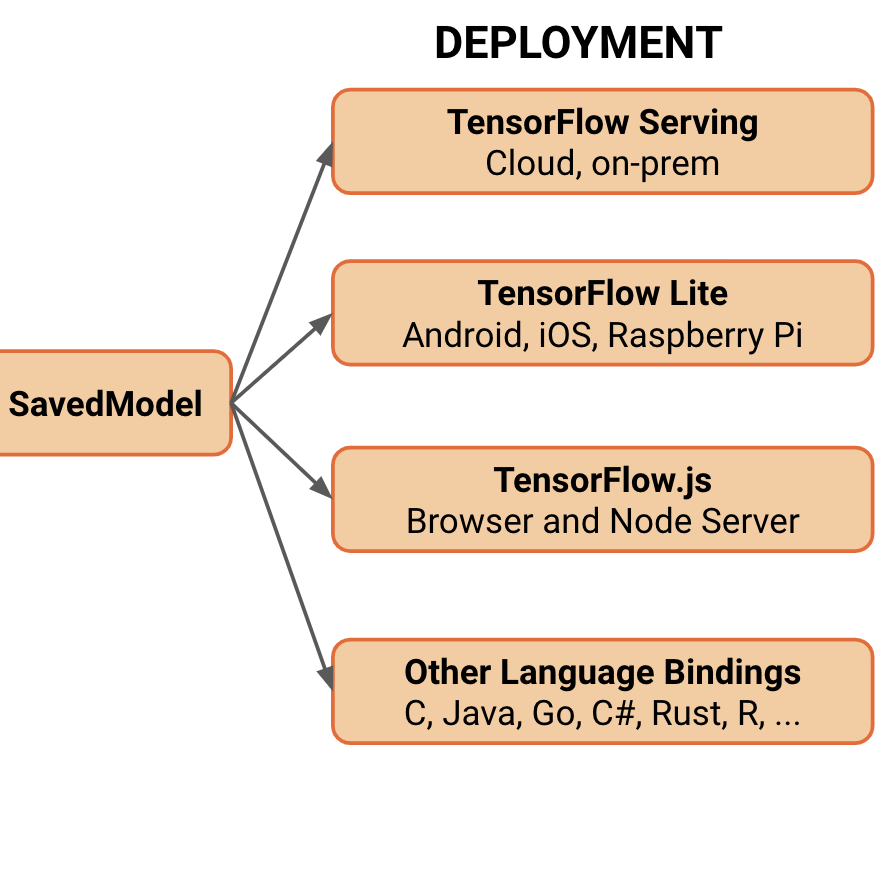
TL;DR: How you deploy models into production is what separates an academic exercise from an investment in ML that is value-generating for your business. At scale, this becomes painfully complex. This guide walks you through industry best practices and methods, concluding with a practical tool, KFServing, that tackles model serving at scal
Together we have reached the end. Two partners, two allies, two distributions that supported millions of innovators have reached their end-of-life (EOL). April will be remembered as the month where ROS Kinetic and Ubuntu Xenial reached EOL. ROS Kinetic is one of the most used, widely deployed and extensively contributed ROS distributions
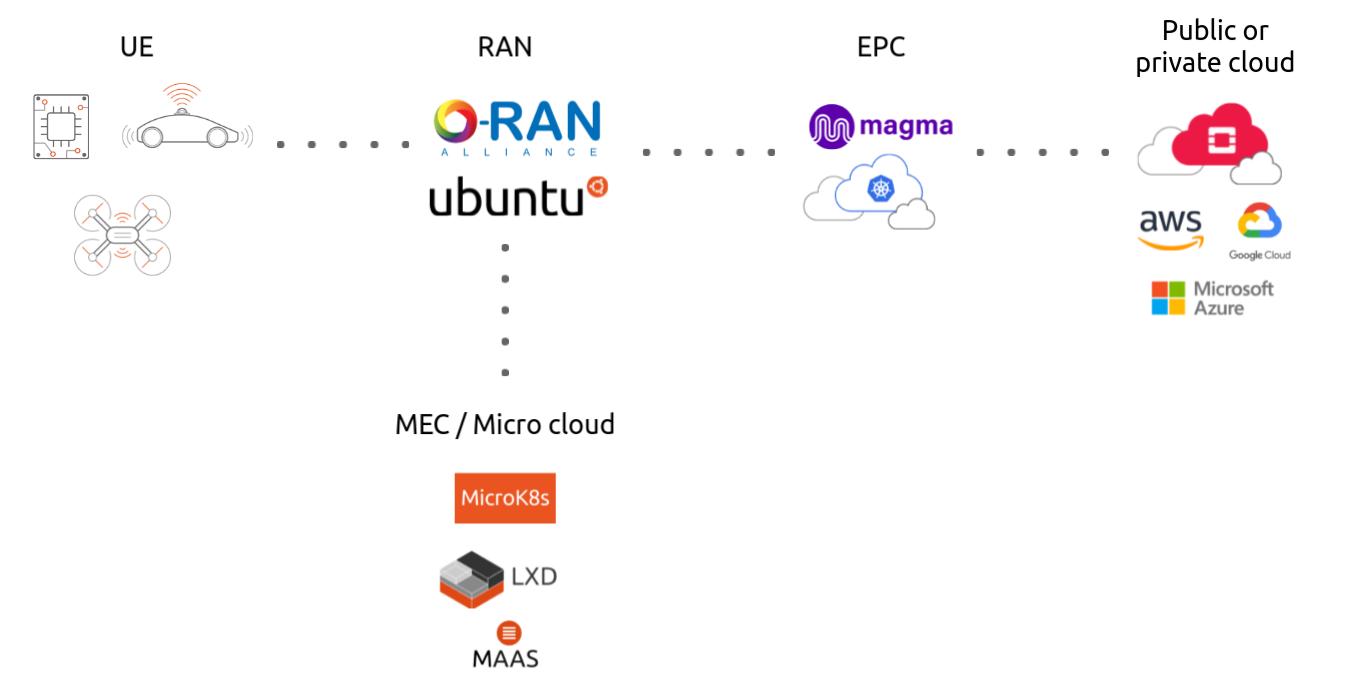
It’s so easy these days to set-up your own WiFi network. You order a router online, plug it into the electrical socket, define a password and you’re good to go. WiFi is fast, reliable and easy to use. But if you want to cover a wider area or connect hundreds of small devices it quickly

Sometimes, applications may not run well, or they could even crash. When such issues occur, it is useful to have a consistent, reproducible method of triggering the problem, so that developers can have a reliable way and sufficient data to troubleshoot the issues and produce a fix. In the software world, the GNU Debugger (gdb)
The Ubuntu in the wild blog post ropes in the latest highlights about Ubuntu and Canonical around the world on a bi-weekly basis.

The web team at Canonical run two-week iterations building and maintaining all of Canonical websites and product web interfaces. Here are some of the highlights of our completed work from this iteration. This iteration, part of the team joined the Product Roadmap sprint. Meet the team Hey, I’m Pete and I joined the Canonical team

A couple of weeks ago, we published an article about Ubuntu 16.04 entering Extended Security Maintenance (ESM), and the implications of this change for snap publishers. We talked about the different options available to developers and publishers who still may rely on the older bases in their build process – free Ubuntu Advantage (UA) toke

The future of Fintech infrastructure is hybrid multi-cloud. Using private and public cloud infrastructure at the same time allows financial institutions to optimise their CapEx and OpEx costs. Why Private clouds? A private cloud is an integral part of a hybrid multi-cloud strategy for financial services organisations. It enables financial
Ubuntu tech blog
Deep dives for developers
Visit the Ubuntu Tech Blog for deep dives into product features, step-by-step tutorials, and the latest updates from Canonical's engineering teams.