

In this series, we’ve been building up an Apache Spark cluster on Kubernetes using MicroK8s, Ubuntu Core OS, LXD and GCP. We’ve learned about and set up nested virtualisation on the cloud, and had some fun. But right, it’s retrospective time: in Part 1, we saw how to get MicroK8s up on LXD, on Ubuntu

If you’ve followed the steps in Part 1 and Part 2 of this series, you’ll have a working MicroK8s on the next-gen Ubuntu Core OS deployed, up, and running on the cloud with nested virtualisation using LXD. If so, you can exit any SSH session to your Ubuntu Core in the sky and return to

If you have followed Part 1 of this blog post, you’ll have a working setup that allows you to run MicroK8s on Ubuntu Core in a VM on your local workstation using Multipass. But you’re itching to get this up and running on the cloud. I know, so am I! So let’s step through that

There are some great reasons to use nested virtualisation on compute clouds. Nested virtualisation is when you have Virtual Machines running within Virtual Machines. This approach offers a stronger isolation model than containers: by using a dedicated kernel and IO devices, bad behaviour cannot easily break out and spread. In fact, nested

The Web & design team at Canonical run two-week iterations building and maintaining all of the Canonical websites and product web interfaces. Here are some of the highlights of our completed work from this iteration. Meet the team Hey! My name is João and I’m a Senior Web Engineer on the Web Team. Since I’ve
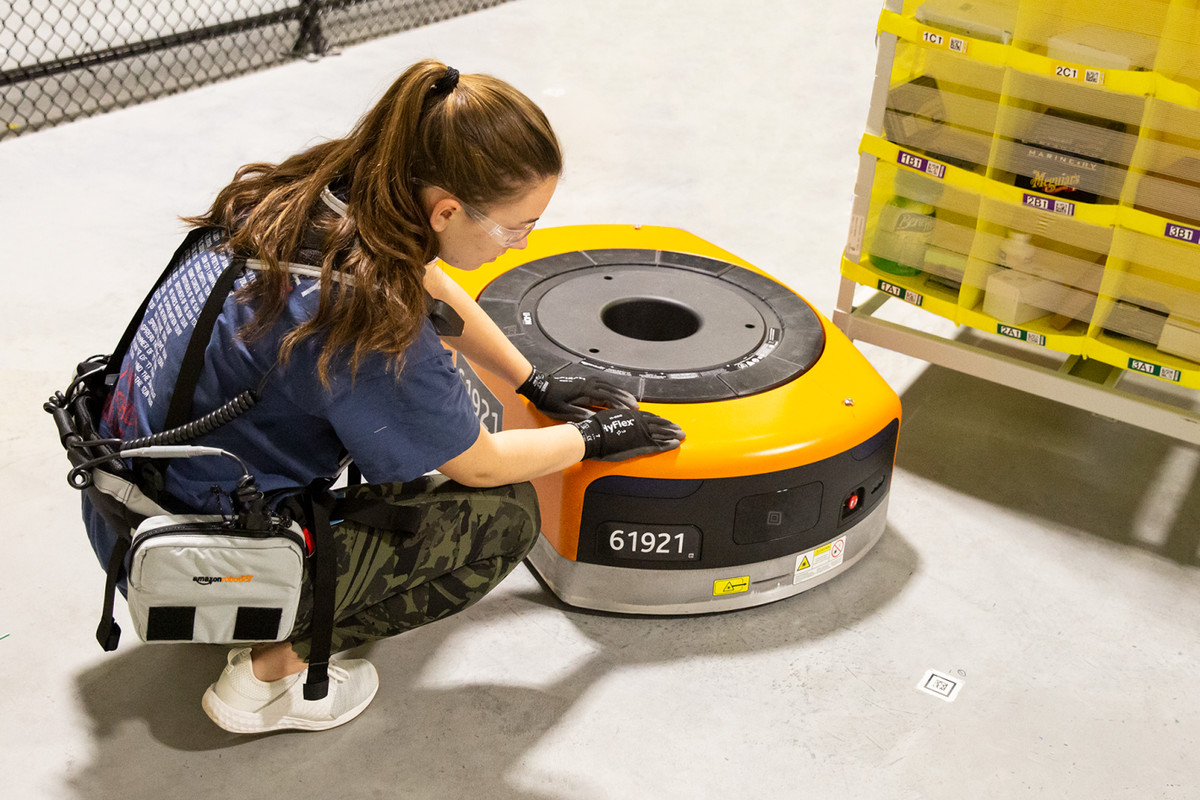
Note: This blog follows the autonomous mobile robots structure defined by “Why you’re looking at AGV / AMR technology all wrong” written by Limor Schweitzer. The process of automation with autonomous mobile robots (AMR) is challenging. Is not only about the budget for companies looking to automate. It also requires a deep understanding of
Austin, Texas – Ubuntu, the world’s most popular operating system across private and public clouds has received the FIPS 140-2, Level 1 certification for its cryptographic modules in Ubuntu 20.04 LTS, including OpenSSL 1.1.1. This certification is built on Canonical’s track record in designing Ubuntu for high security and regulated worklo

Open Source Robotics Challenges is a series of blogs that will share guidelines and advice for open source companies to overcome market barriers. We will touch on topics regularly raised by companies in our open source community such as security awareness, prototyping strategies, safety architecture, adoption and more. Our aim is to help

Newsletter signup

Two weeks ago, Snapcraft reached its fifth milestone release, 5.0. This version brings in a number of significant changes, including the removal of the base (core) snap, which has been relegated to the 4.X channel track. For snap developers, especially those working in mixed environments, the availability of the first preview release of S

The use of NFV migration is becoming commonplace, it is made apparent there is a need for a higher degree of software management, smoother upgrades, and deployment process. Due to the complexity of the migration, Telcos have been deterred from adoption. A solution should be out there to aid businesses in managing and deploying network

Ubuntu, the world’s most popular operating system across private and public clouds has received the FIPS 140-2, Level 1 certification for its cryptographic modules in Ubuntu 20.04 LTS, including OpenSSL 1.1.1. This certification is built on Canonical’s track record in designing Ubuntu for high security and regulated workloads. The FIPS 14

Banking is at a pivotal moment. New regulations like virtual banking licensing frameworks, advances in open banking and big techs rapidly gaining ground in financial services, are dramatically changing the banking landscape, forcing incumbents to reinvent themselves. To be successful, the bank of the future will need to embrace emerging t

The Web & design team at Canonical run two-week iterations building and maintaining all of the Canonical websites and product web interfaces. Here are some of the highlights of our completed work from this iteration. Meet the team My name is Scott Mason-Nash, and I’m a web engineer. I joined Canonical’s web and design team

It’s been a couple of months since we restarted UbuntuOnAir. We had a few ideas, and lots of aspirations, but we wanted to be realistic and work our way up. You can read about why we brought it back and why we didn’t use the more mainstream channel “Celebrate Ubuntu” elsewhere. Here I talk about

Learn how you can drastically simplify the monitoring setup for systems, reduce its ongoing maintenance costs and increase the actionability of your insights with Juju.
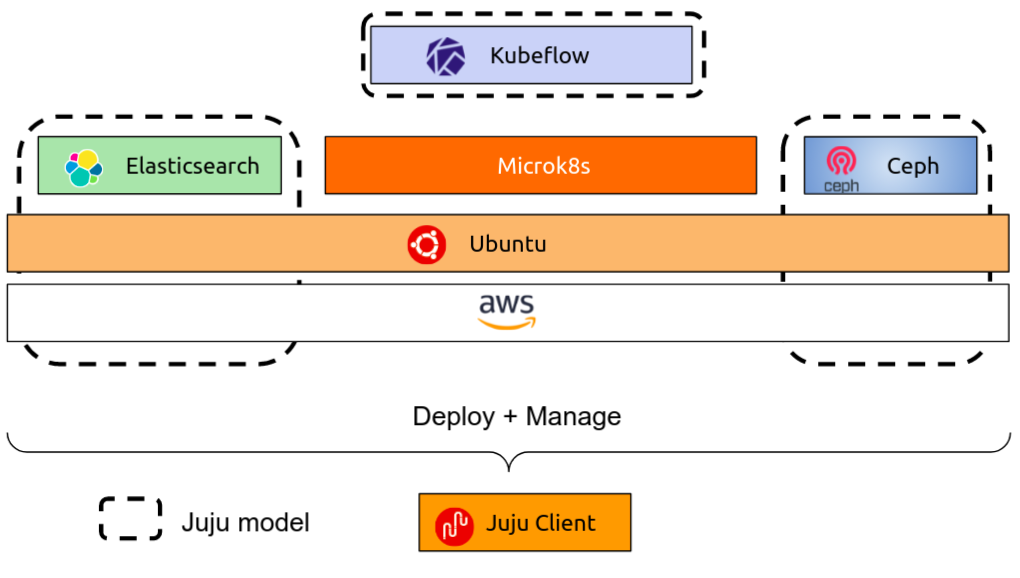
What is Kubeflow? Kubeflow is the open-source machine learning toolkit on top of Kubernetes. Kubeflow translates steps in your data science workflow into Kubernetes jobs, providing the cloud-native interface for your ML libraries, frameworks, pipelines and notebooks. Read more about Kubeflow Notebooks in Kubeflow Within the Kubeflow dashb
Ubuntu tech blog
Deep dives for developers
Visit the Ubuntu Tech Blog for deep dives into product features, step-by-step tutorials, and the latest updates from Canonical's engineering teams.