
Blog posts tagged "Infrastructure"

This year we celebrate a decade of Ubuntu Server support on the s390x architecture: marking a long-standing collaboration between Canonical and IBM that began at LinuxCon 2015. The first release happened on April 21, 2016, bringing Ubuntu 16.04 LTS (Xenial Xerus) to IBM Z and IBM LinuxONE platforms. A first for Ubuntu on IBM That

5G continues to transform the telecommunications landscape, enabling massive device density, edge computing, and new enterprise use cases. However, operators still face significant cost pressures: from accelerating RAN modernization and 5G SA rollouts to energy demands and the shift to cloud-native network functions (CNFs). As telcos rede

As the number of organizations moving their ML projects to production is growing, the need to build reliable, scalable architecture has become a more pressing concern. According to BCG (Boston Consulting Group), only 6% of organizations are investing in upskilling their workforce in AI skills. For any organization seeking to reach AI matu

We’ve all heard about cloud-native applications in recent years, but what about cloud-native infrastructure? Is there any reason why the infrastructure couldn’t be cloud-native, too? Or maybe it’s already cloud-native, but you’ve never had a chance to dive deep into the stack to check it out? What does the term “cloud-native infrastructur

Picture this: you’re on a dream vacation with your family on a serene tropical island. The weather is perfect, the sea is mesmerising, and you’re ready to enjoy a relaxing day at the beach. Just as you’re about to unwind, your phone rings: it’s your manager calling to inform you that your IT infrastructure is

Cloud repatriation is undoubtedly one of the hottest trends in the cloud infrastructure space as of 2023. It enables organisations to regain control of their cloud spend, workloads and data. According to a report on cloud repatriation by 451 Research group, 48% of IT decision makers confirmed that they had moved their applications away fr
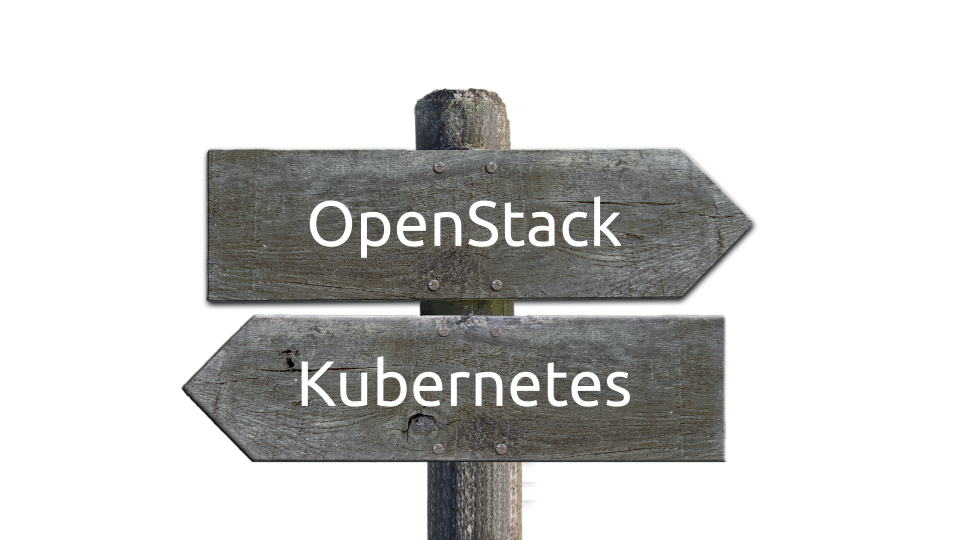
Kubernetes vs OpenStack is a common dilemma that organisations face when considering the modernisation of their IT infrastructure. Both are well-established open-source technologies for building cloud infrastructure, and both bring tangible benefits, especially when used in combination. Yet, they differ significantly and need to be proper
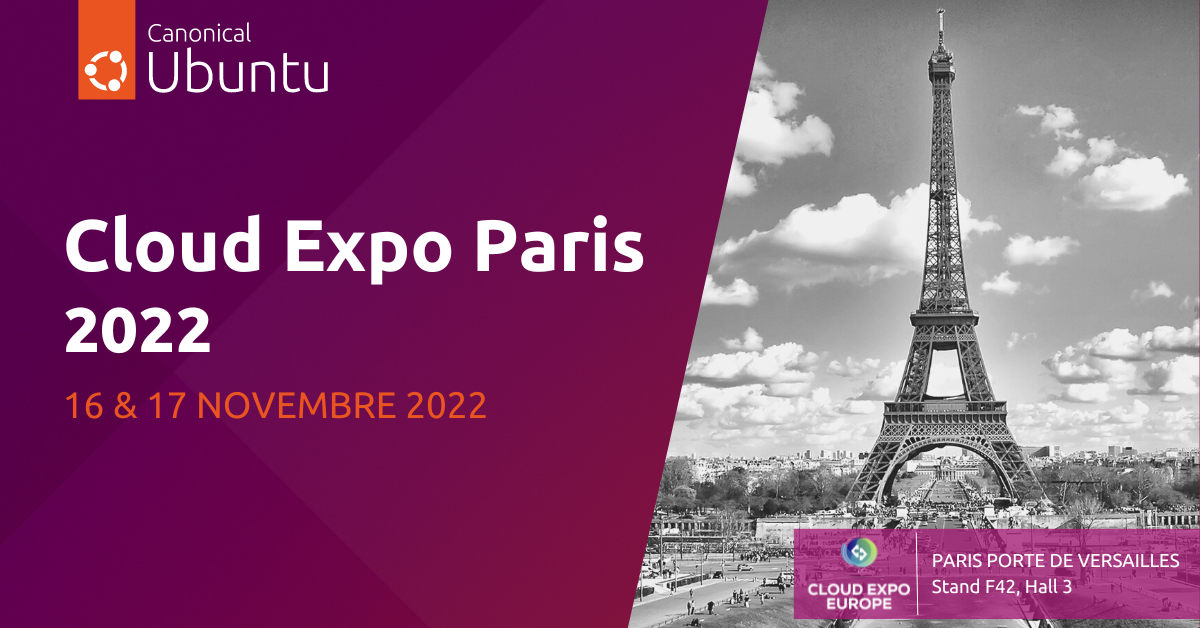
Le salon leader de Londres, Paris, Francfort et Singapour ouvrira ses portes aux leaders du business tech à Paris les 16 & 17 novembre 2022. Retrouvez Canonical au stand F42, Hall 3 pour tout savoir sur nos technologies cloud, y compris les services et applications cloud, ainsi que les services multi-cloud et infogéré. Accédez à

Heads up! The OpenInfra Summit Berlin is coming!!! After the difficult pandemic times, the OpenInfra Summit is finally back. This year the event will take place in Berlin, Germany in June, 7-9. As usual, Canonical will be there to share the latest news about Linux, OpenStack, Kubernetes and Infrastructure (LOKI). Canonical at the OpenInfr

Now that Canonical is prolonging the lifecycle of Ubuntu 14.04 LTS ‘Trusty Tahr’ and 16.04 LTS ‘Xenial Xerus’ to a total of ten years, it’s a good time to reflect on how else Canonical supports these releases for bare metal cloud. Bare metal lifecycle management Whether you’re running a small or a large fleet of
LONDON, UK – Canonical announces the lifecycle extension of Ubuntu 14.04 LTS ‘Trusty Tahr’ and 16.04 LTS ‘Xenial Xerus’ to a total of ten years. This lifecycle extension enables organizations to balance their infrastructure upgrade costs, by giving them additional time to implement their upgrade plan. The prolonged Extended Security Maint

Using open source software significantly reduces the total cost of ownership (TOC) of your IT infrastructure. Over the last few years, we’ve seen more and more companies gradually moving to open source. Our latest research conducted through The International Data Corporation (IDC) shows that 70% of businesses are adopting open source soft

SBI BITS provides IT services and infrastructure to the SBI Group — Japan’s market leading financial services company group — which is made up of over 250 companies, and 6,000 employees. To increase time to market and meet heavy client requirements, SBI BITs was looking for alternative solutions beyond bare metal servers and decided upon

Private cloud infrastructure remains an essential part of every enterprise nowadays. However, due to the increasing number of workloads and data, the overhead of managing bare metal servers, virtual machines and containers can mount up. Although tools like MAAS, OpenStack and Kubernetes help to address this problem, upskilling operations

(This blog post is part of a 5 part series, titled “How to launch IoT devices”. It will cover the key choices and concerns when turning bright IoT ideas into a product in the market. This entire series can be found with slides + audio here: How to launch IoT devices.) Part One can be

Two industry trends point to a gap in DevOps tooling chosen by many. Operations teams need more than an Infrastructure-as-Code approach, but a complete model-driven operations mentality. Learn how Canonical has addressed these concerns to create multiple world-leading products.