
Blog posts tagged "bare metal"

Modern infrastructure teams are expected to deliver cloud-like speed, consistency, and reliability, even when their workloads run on physical servers. Bare metal remains essential for many environments: private clouds, Kubernetes clusters, AI infrastructure, edge sites, regulated platforms, and large Ubuntu estates. But operating physical

As AI platforms grow into large-scale “AI Factories,” the real bottleneck shifts from model design to operational complexity. With expensive GPU accelerators, hardware failures and inconsistent configurations lead directly to lost throughput and reduced return on investment. While Kubernetes orchestrates workloads, it cannot fix broken ph
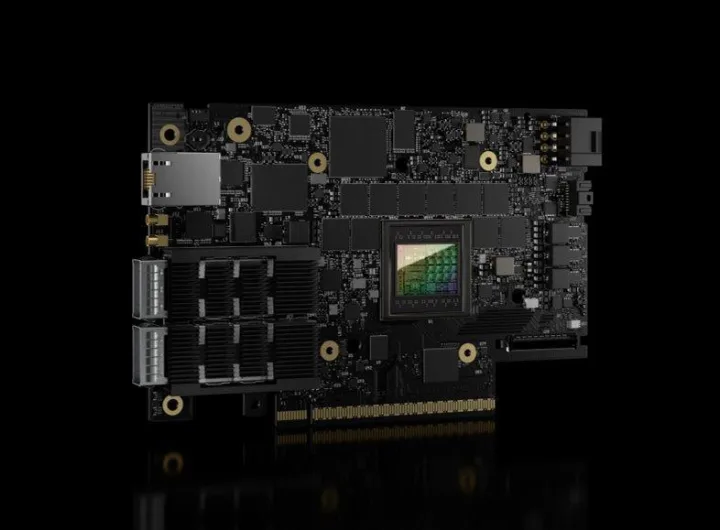
The recent release of MAAS 3.7 introduces a significant new capability: the ability to provision NVIDIA BlueField Data Processing Units (DPUs) directly through their Baseboard Management Controller (BMC),

Data centers don’t have to be power-hungry monsters. With smart automation using tools like MAAS, you can reduce energy waste and operational costs, and make your infrastructure greener, without sacrificing performance or flexibility.

To truly reduce OpEx, you must shift your perspective from seeing operations as custom, artisanal work to one where operations are standardized, automated, and repeatable. In other words, commoditized.

The rapid growth in OpenStack installation and orchestration tools that we have seen in recent years has effectively established OpenStack as the world’s leading open source cloud platform. Projects like Sunbeam or Kolla Ansible, for example, are effectively transforming OpenStack into yet another user application. By using containers and
Bare metal Kubernetes (K8s) is now easier than ever. Spectro Cloud has recently posted an article about integrating Kubernetes with MAAS (Metal-as-a-Service. In the article, they describe how they have created a provider for the Kubernetes Cluster API for Canonical MAAS (Metal-as-a-Service). This blog describes briefly the benefits of ba

Canonical is proud to announce the availability of OpenStack Charms 21.01. This new release includes: a tech-preview version of OpenStack Ironic operators (charms), Cinder volume replication and Glance multi-store support for Charmed OpenStack. OpenStack Ironic The latest version of OpenStack Charms brings initial support for the OpenStac

Canonical is happy to announce that MAAS 2.9 is now available. We’ll get to the details of installing it in just a moment, but first, let’s walk through a brief overview of the new features and fixes. Later on in this post, we’ll cover some of these features in much more detail. New features &

Continuing in our series on CLI-only MAAS operation, it’s time to deploy machines. In the previous post, we reached the point of creating and commissioning machines, using only the MAAS CLI. Moving forward, there are two key steps: acquiring machines, and then deploying them. Let’s take a look Acquiring a machine using the CLI When
The whole point of MAAS configuration is to get machines deployed. If you read the previous post in this series, you know how to install MAAS and do basic configuration using only the MAAS Command-Line Interface (CLI). So far, so good, but now we need to enable networking and create some machines. Enabling DHCP The
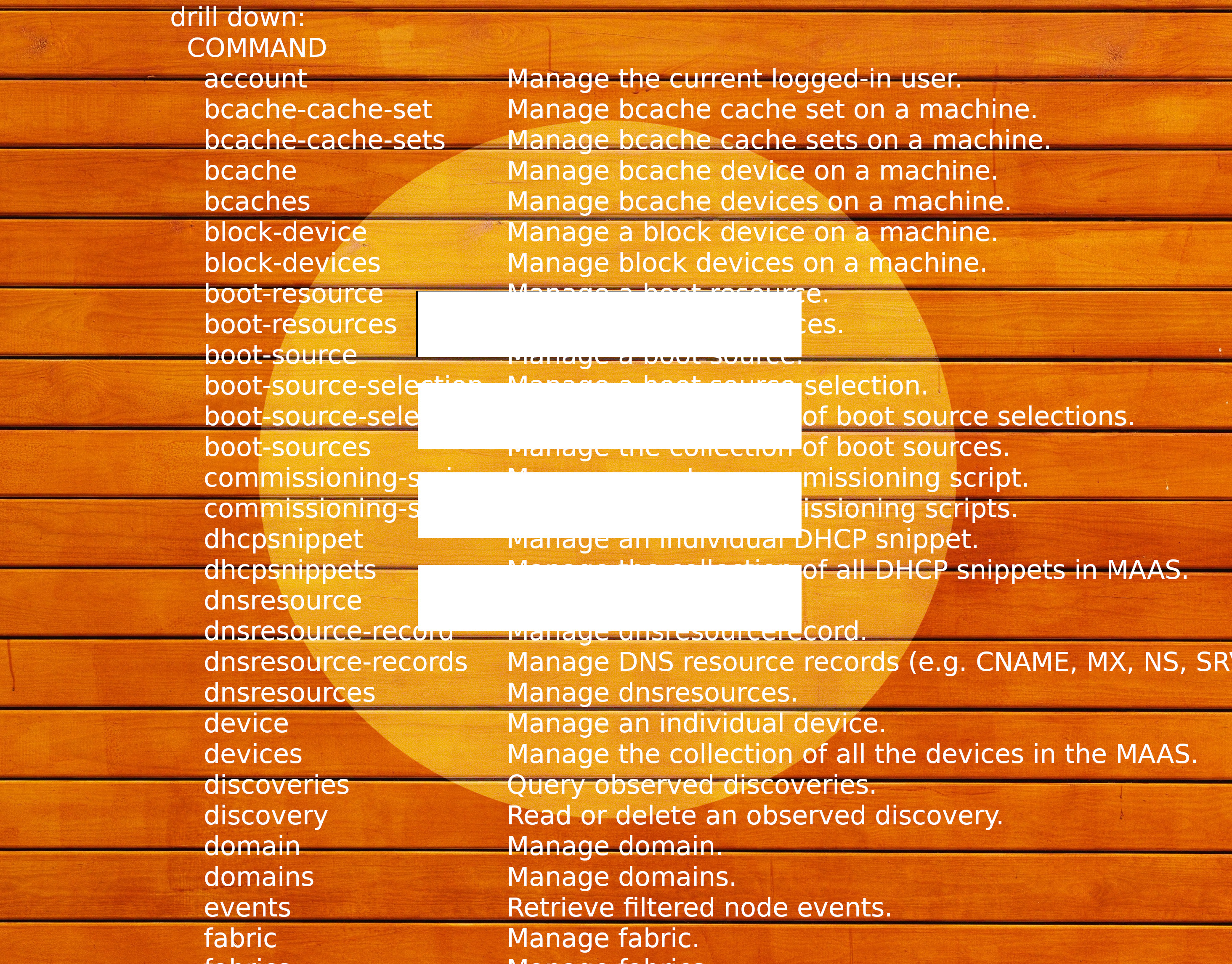
MAAS provides a state-of-the-art User Interface (UI), which is relatively simple to use, if the required inputs are known and understood. You may be less familiar with the MAAS Command Line Interface (CLI), which is actually more robust, providing additional functionality that’s not accessible via the web UI. In this series of blog posts,
The Ubuntu Masters Conference is a platform for IT practitioners to share how they are solving industry-wide challenges with the global engineering community. These are the real-life use cases they are executing in their professional environments today, giving you actionable ideas to take into your own corporate setting. Join us on Thursd

Use bare metal provisioning with a top-of-the-rack switch When deploying a small footprint environment such as edge computing sites, 5G low latency services, a site support cabinet or baseband unit, its critical to establish the optimal number of physical servers needed for set up. While several approaches exist, bare metal provisioning t

The future of cloud infrastructure will have organisations using combinations of OpenStack, Containers, public cloud, and VMware to deliver applications. In this session Mark Baker will highlight the best Multi-Cloud practises learned in the field for architecting, deploying and managing scale out infrastructure from baremetal through to

Lego model of an Airbus A380-800. Airbus run OpenStack A “StuckStack” is a deployment of OpenStack that usually, for technical but sometimes business reasons, is unable to be upgraded without significant disruption, time and expense. In the last post on this topic we discussed how many of these clouds became stuck and how the decisions